
Edited by:
redazione
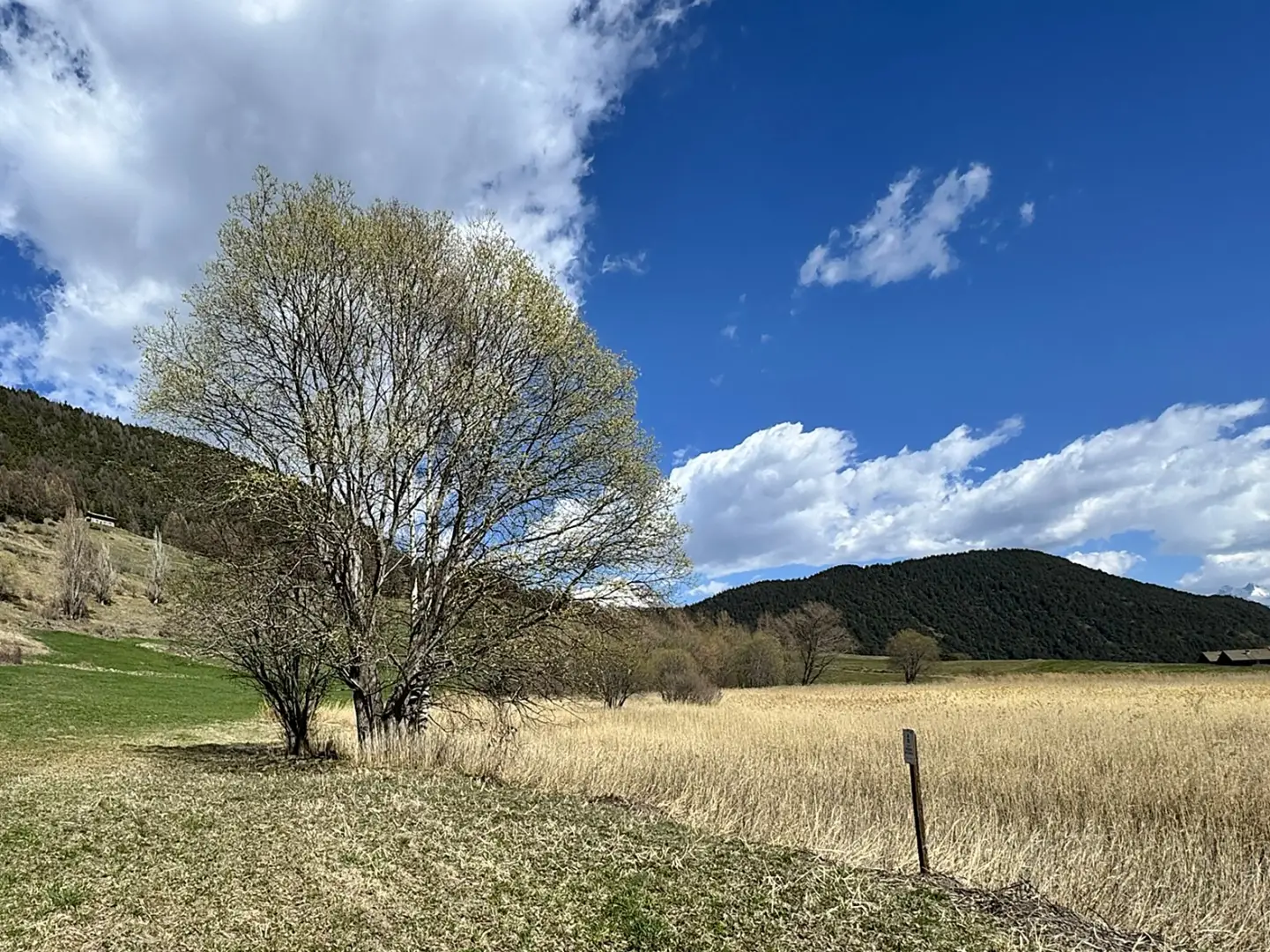
Slender and elegant, the silver birch (Betula pendula) is a true symbol of Nordic beauty. With its slender trunk and characteristic white bark, which peels off in thin, papery strips to reveal greyish or pinkish hues, this tree is easily recognisable in the wooded landscapes of Europe and Asia. Its elegant form, with branches that curve slightly downwards, gives it a delicate, almost dancing appearance in the wind. The leaves, small and triangular, are a bright green in spring and summer, turning a golden yellow in autumn, creating a truly evocative visual spectacle before they fall.
Belonging to the Betulaceae family, the birch is a pioneer species, capable of rapidly colonising poor soils and adapting to harsh conditions. It grows wild in temperate and boreal forests, preferring well-drained soils and sunny environments, often alongside pines and oaks. Its resistance to the cold enables it to thrive even in the northernmost parts of Europe and Asia, as far as Siberia, whilst in Italy it is found mainly in the Alpine and Apennine regions.
As well as its undeniable beauty, the birch has always had a deep connection with humankind. Its fruits, small winged achenes, are dispersed by the wind, helping to spread the species, but it is its many uses that make it so valuable. Its wood, which is light yet strong, is widely used in the production of furniture, tools and paper, whilst its waterproof and flexible bark was historically used by Nordic peoples to make containers and canoes. A sugary liquid is extracted from its sap, traditionally consumed as a thirst-quenching drink or fermented to produce alcoholic beverages. Its leaves and bark possess medicinal properties that have been known since ancient times: diuretic, anti-inflammatory and purifying, they are still used today in herbal medicine.
Despite its adaptability, the birch is not immune to threats. Climate change, deforestation and the encroachment of more competitive tree species can reduce its distribution in certain areas. However, thanks to its extraordinary ability to regenerate and the ecological role it plays – promoting the formation of new soil and providing shelter and sustenance for numerous animal species – it remains one of the most fascinating and vital forest species.
Walking through a birch forest, one senses an almost dreamlike atmosphere: the contrast between the white trunks and the light filtering through the canopy creates a landscape that seems straight out of a fairy tale. It is no coincidence that in many cultures this tree is associated with purity, rebirth and protection. Whether admired for its elegance, valued for its practical uses or studied for its ecological importance, the birch remains one of the most fascinating testaments to the beauty of nature.